
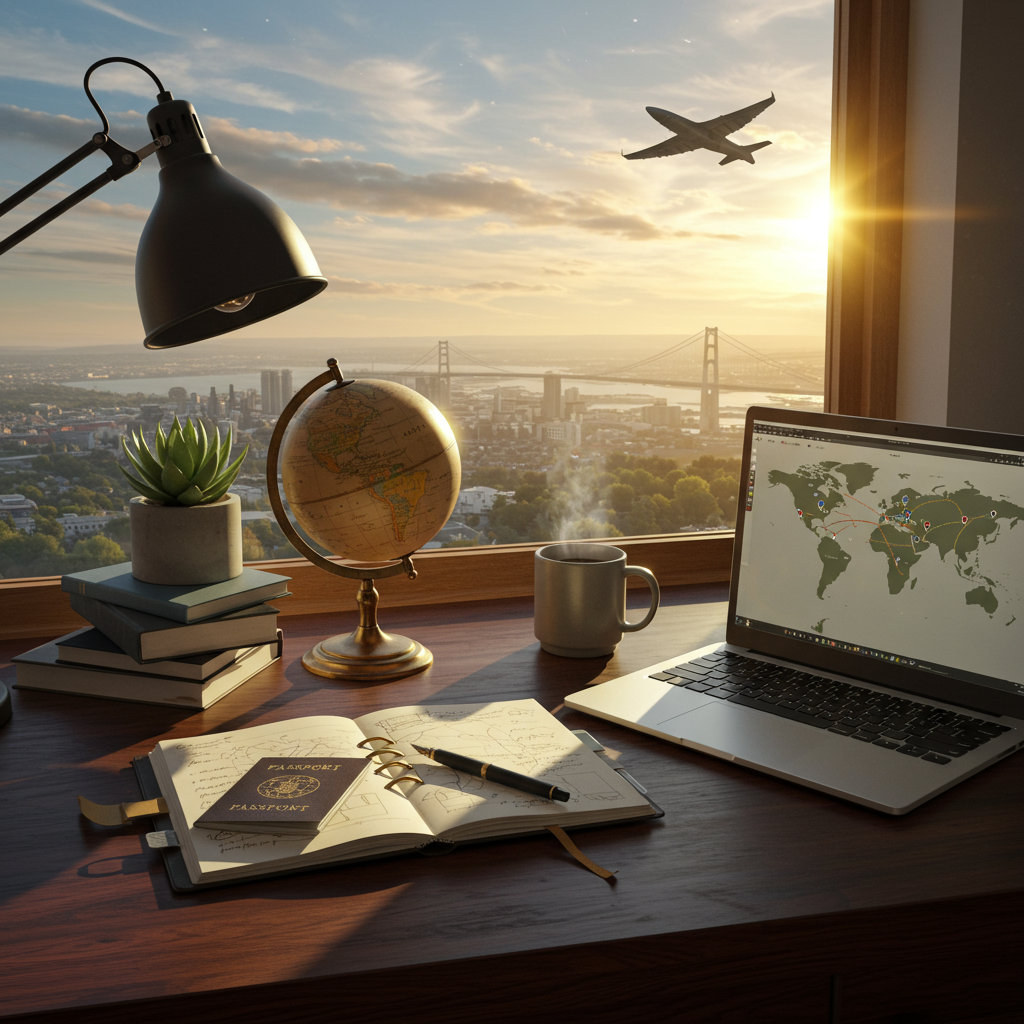
Going abroad for the very first time is an unparalleled adventure, a dive into new cultures, landscapes, and experiences. It’s an exciting prospect, but the planning can feel a little daunting. Fear not! This step-by-step guide will help you navigate the preparations, ensuring your maiden voyage is smooth, enjoyable, and unforgettable.
Step 1: Choosing Your Destination
This is perhaps the most thrilling part! Consider what kind of experience you’re after. Do you dream of historical wonders in Rome, the bustling markets of Marrakech, or the serene beaches of Thailand?
- Budget: Some destinations are inherently more expensive than others. A trip to Western Europe might cost more than a similar duration in Southeast Asia.
- Interests: Are you a history buff, a nature lover, a foodie, or an adventurer?
- Visa Requirements: Research if you need a visa for your chosen country. This can heavily influence your decision. For example, a British citizen might find it easier for a first trip to a Commonwealth country like Canada or Australia due to familiar processes, or an EU country like Spain due to ease of travel.
- Time of Year: Consider the weather. Monsoon season in India might not be ideal for sight-seeing, just as peak summer in Dubai can be extremely hot.
Step 2: Budgeting and Saving
Once you have a destination in mind, start mapping out your finances.
- Big-Ticket Items: Flights, accommodation, and travel insurance.
- Daily Expenses: Food, local transport, activities, souvenirs.
- Emergency Fund: Always factor in a contingency fund for unexpected situations.
Start saving early and stick to a budget. Use a spreadsheet to track your estimated costs.
Step 3: Passport and Visa Essentials
This is non-negotiable.
- Passport: Ensure your passport is valid for at least six months beyond your intended return date. Many countries enforce this rule. If you need a new passport, apply well in advance, as processing times can vary.
- Visa: Research the visa requirements for your chosen destination. Some countries offer visa-free entry, others require an e-visa, and some demand a traditional visa application through their embassy or consulate. Start this process early as it can take weeks or even months. For example, travelling to the United States often requires an ESTA for British citizens, while a trip to Vietnam generally requires a visa.
Step 4: Booking Flights and Accommodation
- Flights: Use flight comparison websites. Be flexible with your travel dates if possible, as mid-week flights are often cheaper. Consider flying into and out of different airports if it makes sense for your itinerary. Book direct with the airline once you’ve found a good deal.
- Accommodation: From hostels and guesthouses to hotels and Airbnb, there are options for every budget. Read reviews carefully. For your first trip, booking accommodation in advance, especially for your first few nights, is highly recommended to avoid stress upon arrival.
Step 5: Travel Insurance – Your Safety Net
Never travel internationally without comprehensive travel insurance. It’s not an optional extra; it’s essential. It covers medical emergencies, trip cancellations, lost luggage, and other unforeseen circumstances. Compare policies carefully to ensure it meets your specific needs.
Step 6: Smart Packing
- Lay flat, roll tight: Maximise space in your luggage.
- Essentials first: Passport, wallet, important documents, medications should always be in your carry-on bag.
- Research local customs: For example, when visiting religious sites in countries like Italy or Thailand, modest clothing covering shoulders and knees is often required.
- Adapters: Don’t forget the correct power adapter for your destination!
Step 7: Money Matters Abroad
- Currency: Research the local currency and exchange rates.
- Credit/Debit Cards: Inform your bank of your travel plans to prevent your cards from being blocked. Check for foreign transaction fees.
- Cash: It’s wise to carry a small amount of local currency for immediate expenses upon arrival, but avoid carrying large sums.
- Travel Money Cards: Consider a prepaid travel money card for security and budgeting.
Step 8: Staying Safe and Connected
- Copies of Documents: Keep digital and physical copies of your passport, visa, insurance, and flight details separate from the originals.
- Register with Your Embassy: Many countries, including the UK, offer a service to register your travel plans with their embassy or consulate. This can be helpful in emergencies.
- Local SIM or eSIM: Purchase a local SIM card or an eSIM upon arrival for affordable data and calls, helping you navigate and stay in touch.
Your first international trip is a milestone, a journey of discovery that will broaden your horizons and create lasting memories. By following these steps, you’ll be well-prepared to embrace the adventure with confidence. Pack your bags, open your mind, and get ready to explore the incredible world that awaits!